The Office
Open-space hell. Fluorescent alienation. A world where boredom becomes incubator, motive, and excuse.

The series explores modern slavery in the digital economy, where trafficked people are forced to run global scam operations while criminal networks profit from the exploitation of both the captives and their victims.
S.C.A.M. looks past the screen and into the machinery behind modern fraud: loneliness converted into revenue, empathy weaponized at scale, and human beings reduced to components in a criminal supply chain.
We live in an era where scams have become an economy of their own.
This is not a story about polished techno-optimism. It is about the human drama on both sides of the screen: Captive vs. Victim.
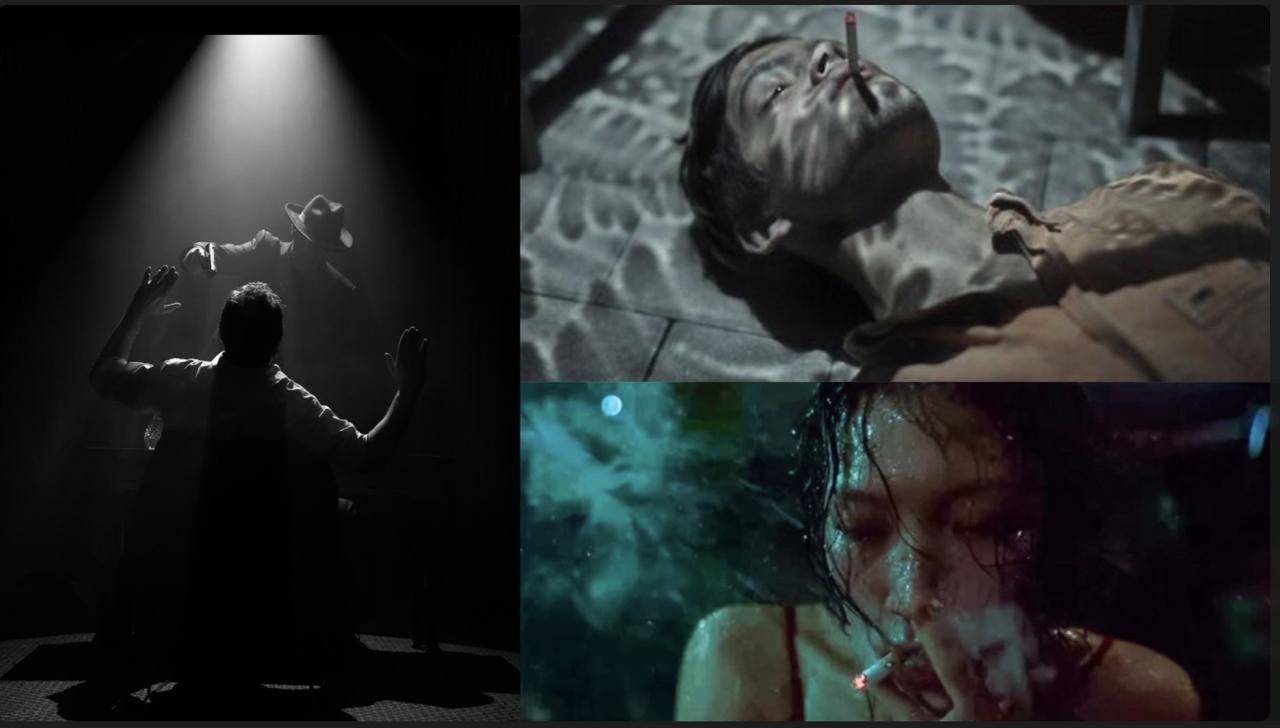
Sammy is an account manager whose undiagnosed ADHD makes the monotony of office life feel like a prison sentence. A gifted observer of human behavior, he builds rapport scripts designed to game intimacy online and begins scamming enough money to glimpse a better life.
But Sammy's system is too effective to remain small. His methods are hijacked by a Triad network and scaled into industrial scam compounds across Southeast Asia, where trafficked captives use his scripts to manipulate victims by the thousands.
Bakari, an educated Ethiopian migrant trapped inside one of those compounds, is forced to target Kate, a high-functioning American woman whose loneliness has been optimized into silence. In the middle of a machine designed to fake emotion, something real appears between them.
When Bakari is forced to complete the scam and destroy Kate financially, guilt becomes stronger than fear. He risks execution to contact her again. Together, the victim and the captive form a dangerous alliance to expose the system and escape it, only to discover that the structure Sammy helped create is built to survive every moral collapse inside it.
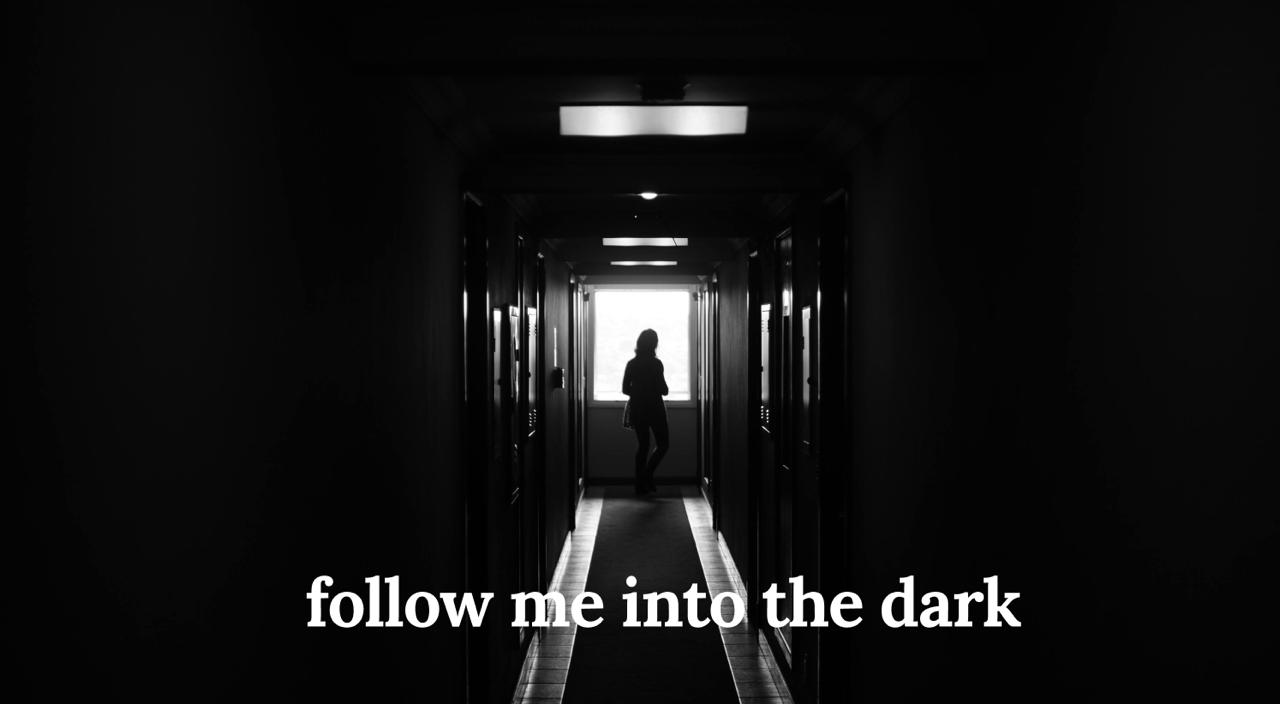
The drama constantly moves between environments that look different but operate according to the same logic: isolation, control, performance, and extraction.
The visual language of S.C.A.M. is dark, tactile, and morally unstable. Corporate interiors, fintech interfaces, and physical captivity are all treated as different faces of the same architecture.
Open-space hell. Fluorescent alienation. A world where boredom becomes incubator, motive, and excuse.
Fintech dashboards, chat windows, optimization logic. Interfaces become emotional battlegrounds.
Humidity, fences, guards, violence. The physical truth beneath what the internet allows others to ignore.
Each major character embodies a different relationship to power, loneliness, and complicity inside the scam economy.
An overqualified office worker who invents a scam methodology to escape mediocrity, then discovers that optimization can become industrial cruelty.
Sammy's friend, shield, and street-facing counterpart. He confuses criminal structure with belonging and becomes collateral damage in someone else’s abstraction.
A high-functioning professional targeted not because she is naive, but because the scam is engineered to mirror the exact shape of her loneliness.
An educated Ethiopian idealist trafficked into a compound and forced to weaponize empathy, while refusing to let the machine define his humanity.
An elegant intermediary who immediately recognizes Sammy not as a petty hustler, but as an architect whose methods can be scaled into a system.
The paradox at the top: a man who appears to possess total control, yet is increasingly trapped by the obligations and violence required to maintain it.
Designed as a premium serialized property with room for expansion across formats, geographies, and scam pipelines.
A premium scripted series designed for top-tier streaming platforms and prestige international buyers.
The S.C.A.M. world allows for regional spin-offs, vertical formats, and future storylines rooted in real scam infrastructures around the world.
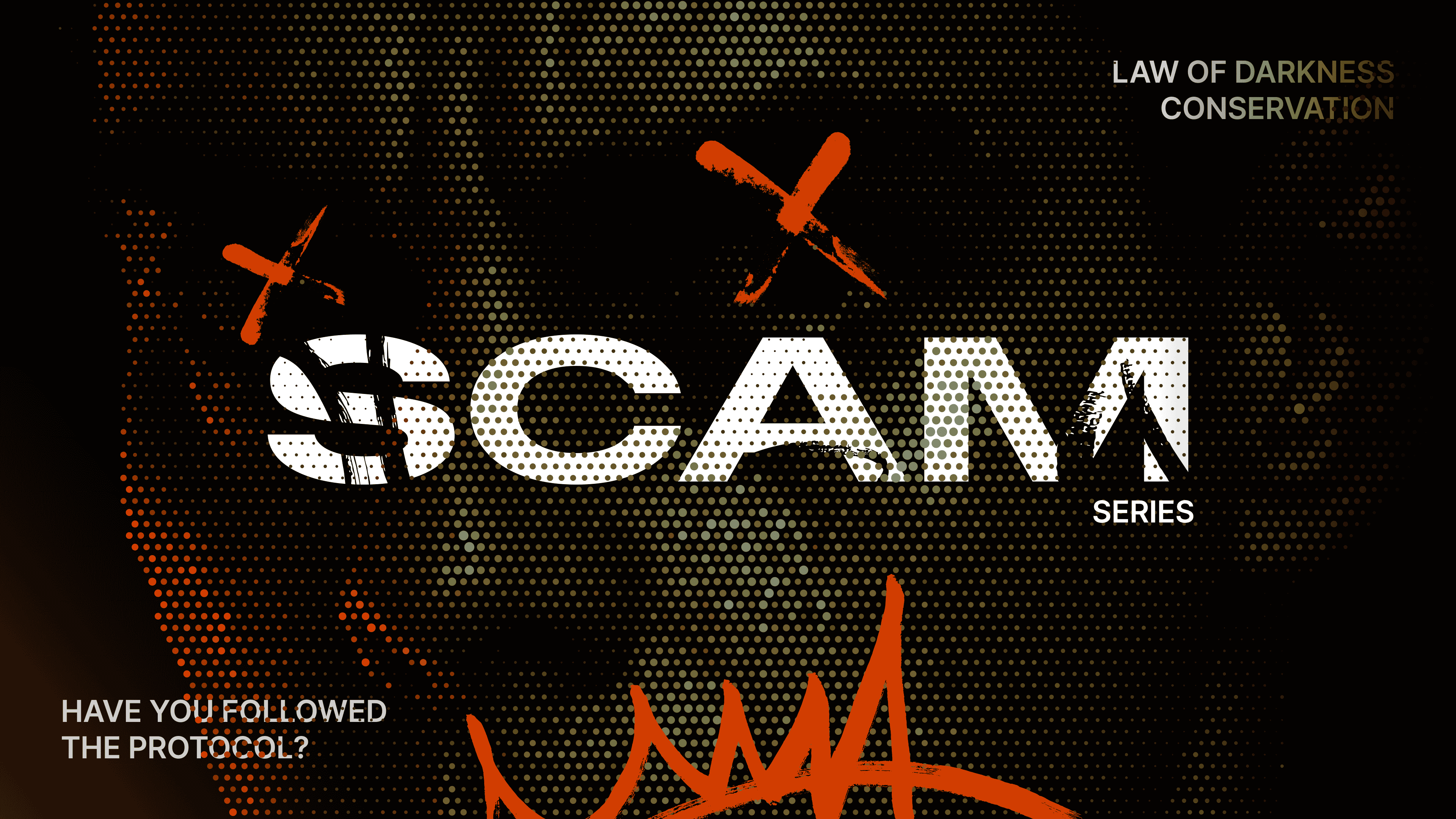
A founding team focused on concept, narrative identity, and a grounded understanding of the systems behind the story.
Specialist in product management and complex project development. Author of the original concept, rooted in real-world cases and journalistic investigation.
Co-creator of the S.C.A.M. universe, responsible for tone, visual identity, and narrative positioning.
For development conversations, creative materials, or production inquiries, contact the team directly.
Primary point of contact for project, materials, and business conversations.
Open for packaging, producer conversations, and strategic introduction opportunities.